cioccolato con nocciole

I have been doing experiments in chocolate, because I’m so in love with the taste of hazelnuts and chocolate, as the Italian invention gianduja, but this is my own rustic variation of it. I will tell you quite personally and revealing, the tastes that belong together, cioccolato con nocciole e caffè (chocolate with hazelnuts and coffee) , in the afternoon satisfies a deep and intimate craving from within me, so I strive on to perfect it. The real gianduja is made quite differently, with but I aspire to first find a balance of milk chocolate that is barely sweet, and by adding finely ground hazelnut paste gives it another dimension, soft and velvety, so mild, so meant to be accompanied by a little cup of rich coffee ~~ really, the finest pleasure of a moment!

♣   Cooking Notes  ♣

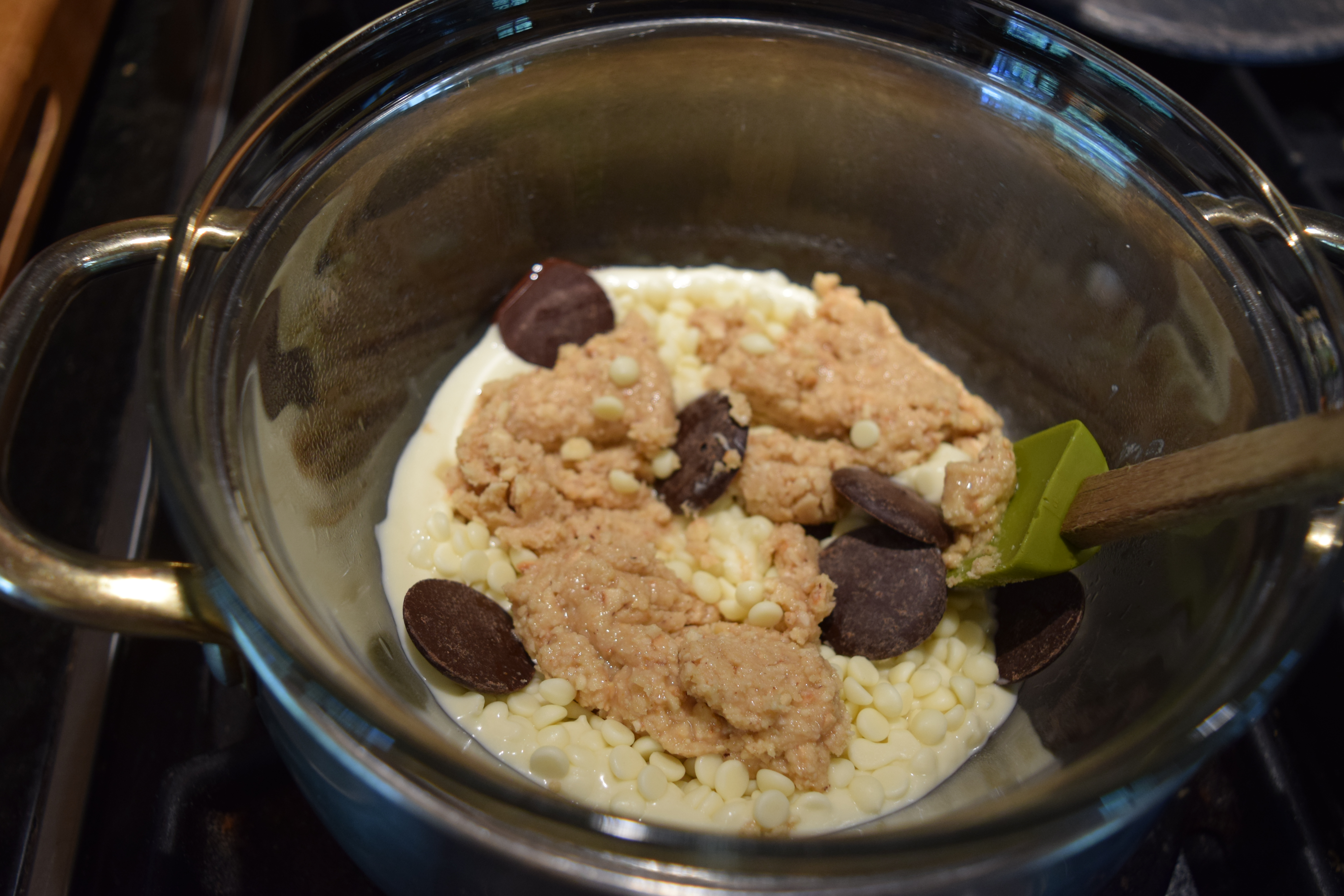
  • In a mortar and pestle I ground toasted hazelnuts — it took a while and I could have ground the paste longer, refining it much more by releasing the oils out of the nut solids better, but impatience won over, and I sacrificed my nut paste too early to the melting chocolate.
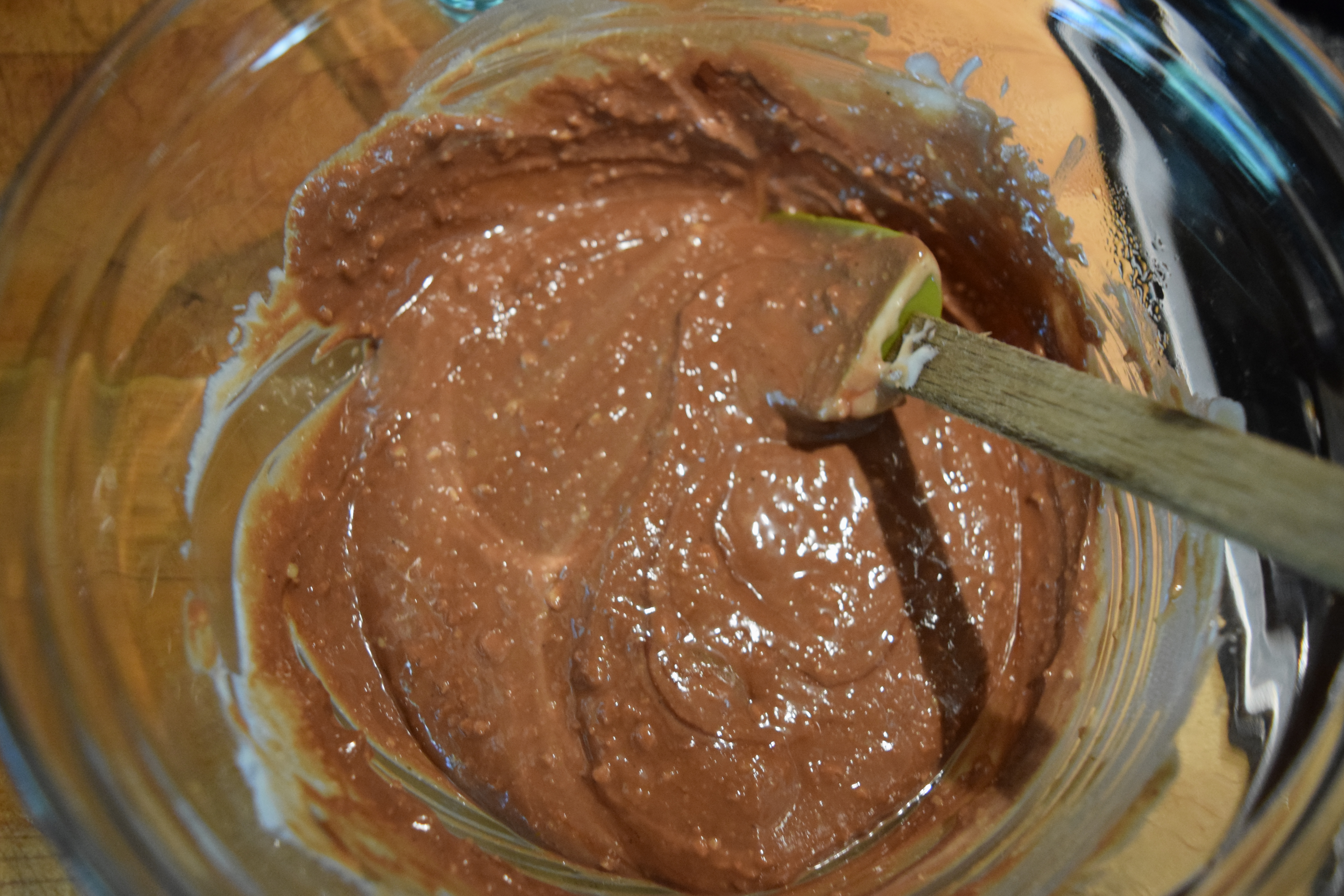
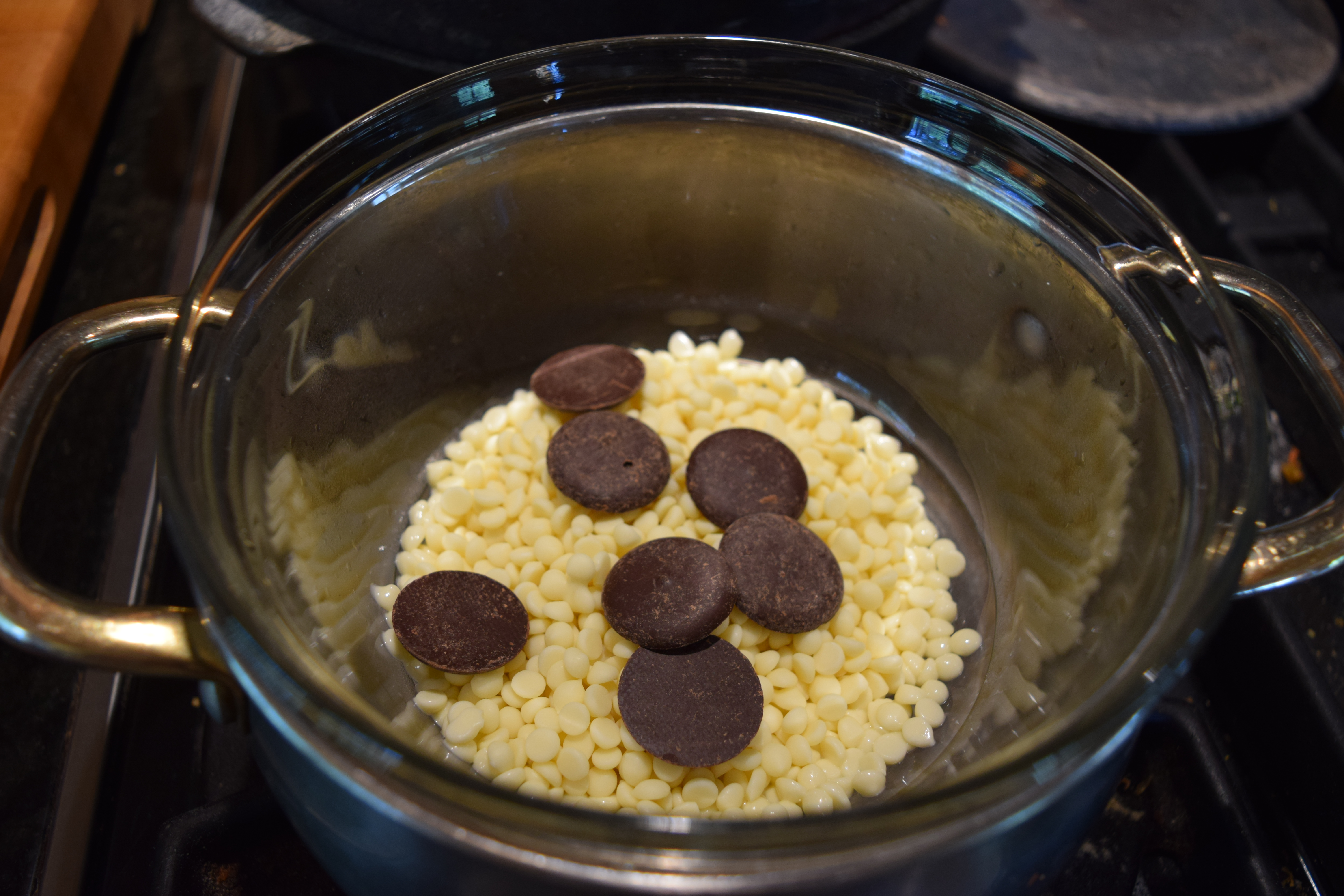
  • My chocolate mix is an easy method to get a barely sweet milk chocolate, without having to purchase a conching machine to mix the separate basic ingredients (like cacao powder, milk powder, cocoa butter, etc) But instead I blend pure white chocolate (with cocoa butter, not palm oil) and unsweetened cacao paste wafers, melted in a bowl over barely simmering water. 
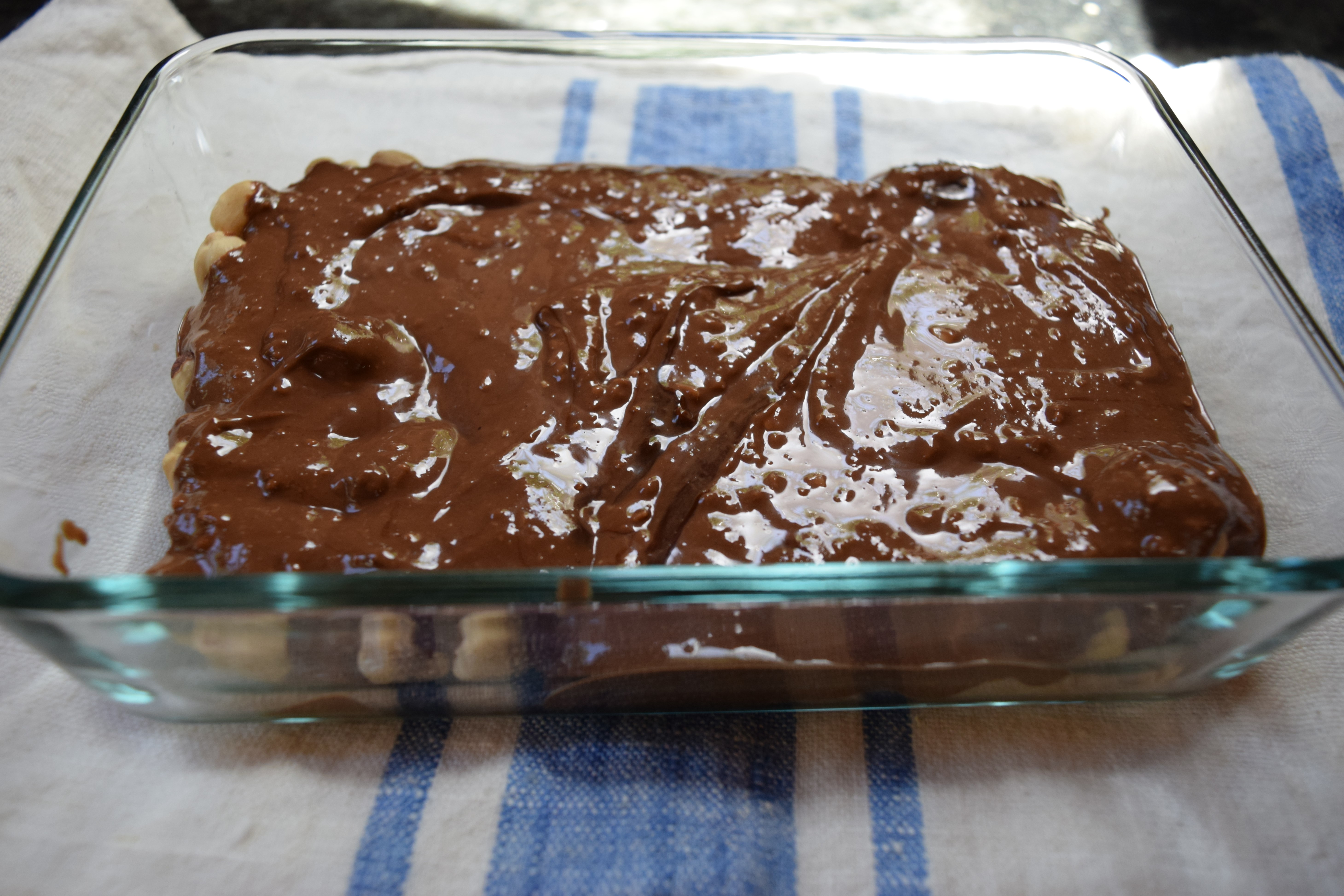
  • I wasn’t sure about the chocolate’s ability to solidify after mixing in such an amount of hazelnut paste, so I poured it over a bed of whole hazelnuts to give it marvelous success anyway, a soft bite into a load of crunchy hazelnuts! I just keep the broken pieces of the hazelnut chocolate in a jar in the freezer which is great at least in the summertime.
  • I will be refining my gianduja further along, perhaps molding it into classic gianduiotti shapes, we’ll just have to see where it takes me. (( click 1st image to go to slideshow ))

Thought I’d post this one too , just the milk chocolate mix without hazelnut paste mixed in, poured over the toasted hazelnuts, mixed in the dish a little before cooling and breaking up . . .

.
Knotty

Ikat is on my mind in recent days. I bought the book, watched the videos, and naturally soon thereafter I would want to go down to the tiny (dye) house where my indigo and madder are waiting patiently for me, and start tying knots!

A lovely artful video on one family’s kasuri making . . .

Another artful video from the same dye house, more extensive footage with no vocal. . .

Scarf No.7

Hi, its me Abelene

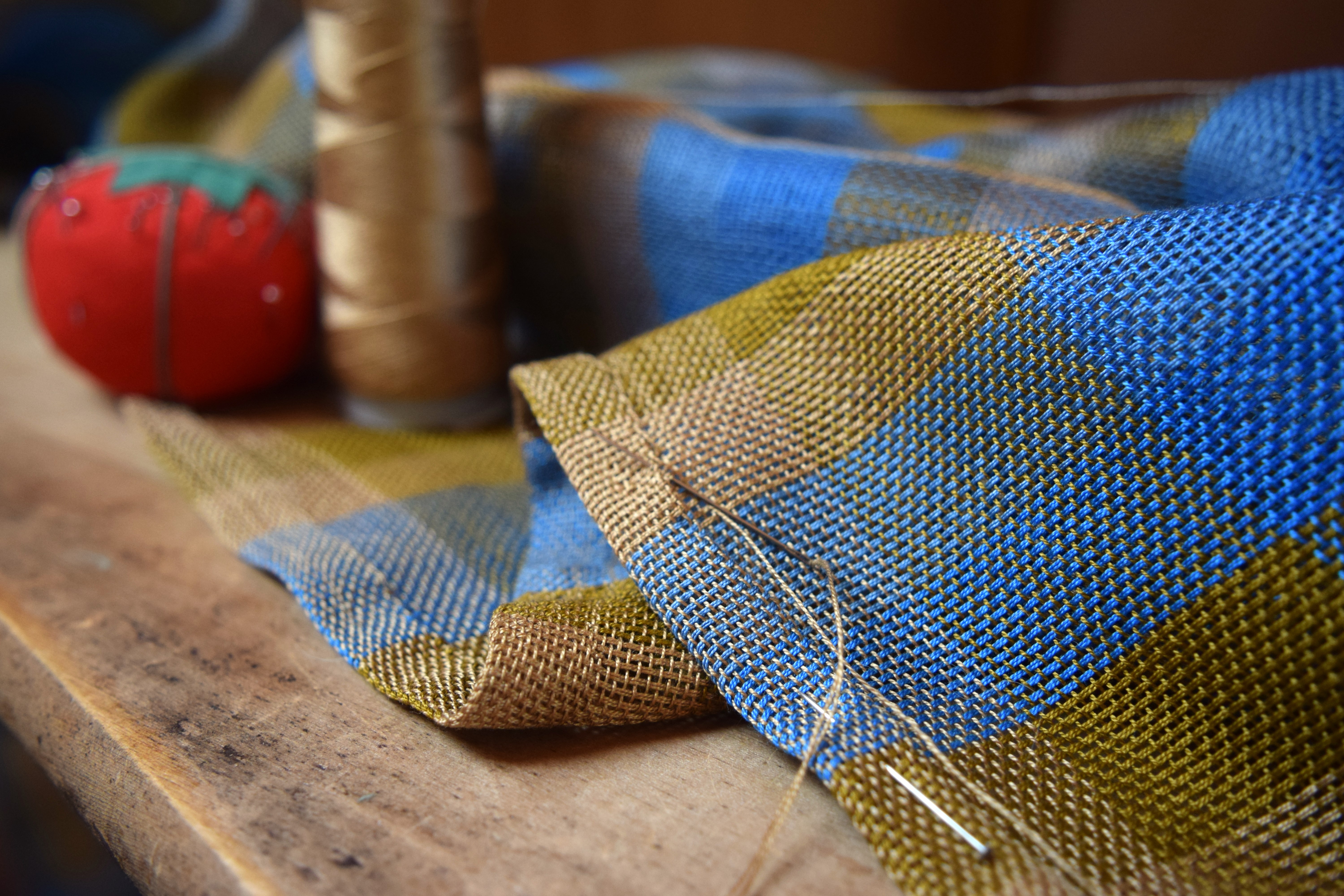
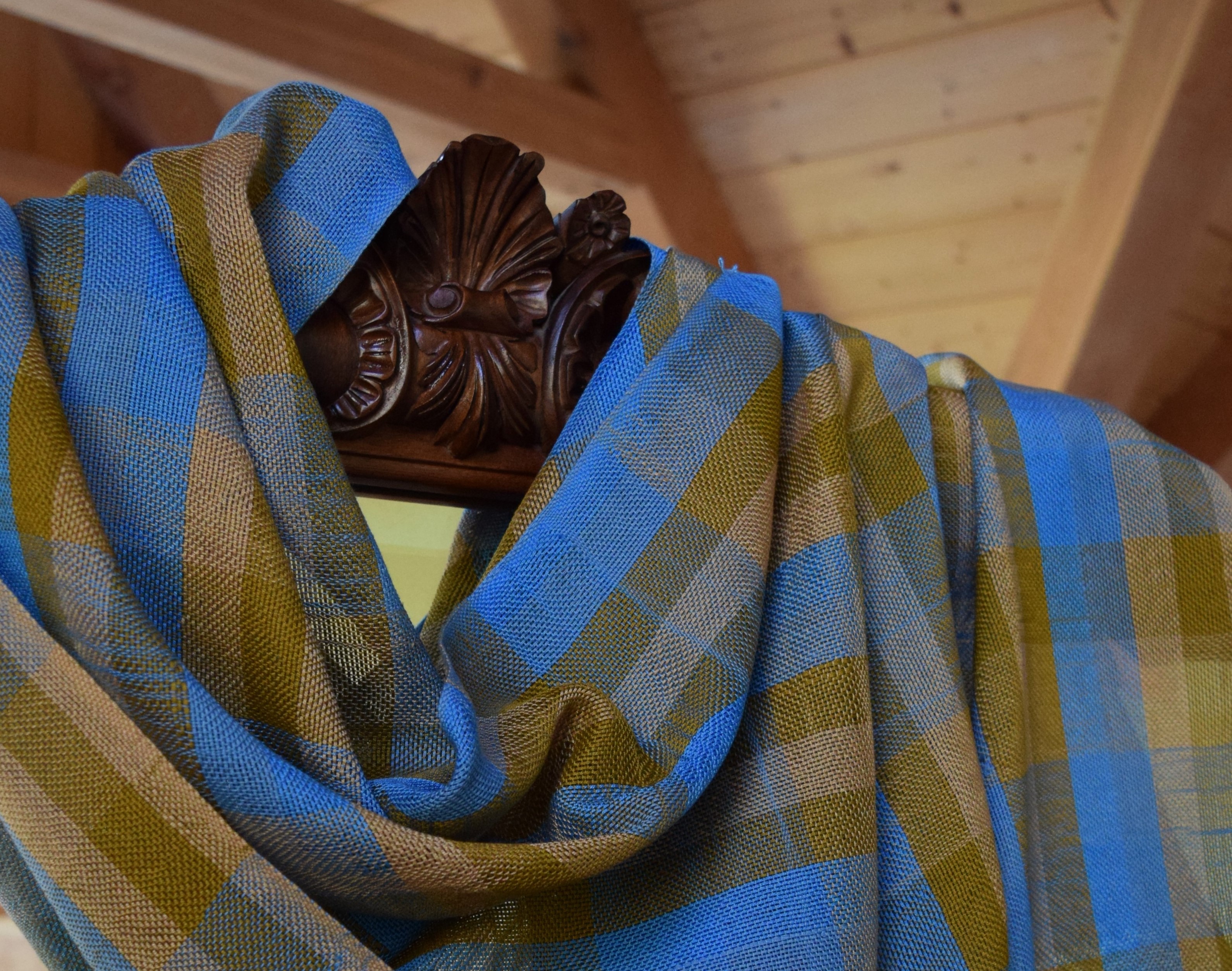
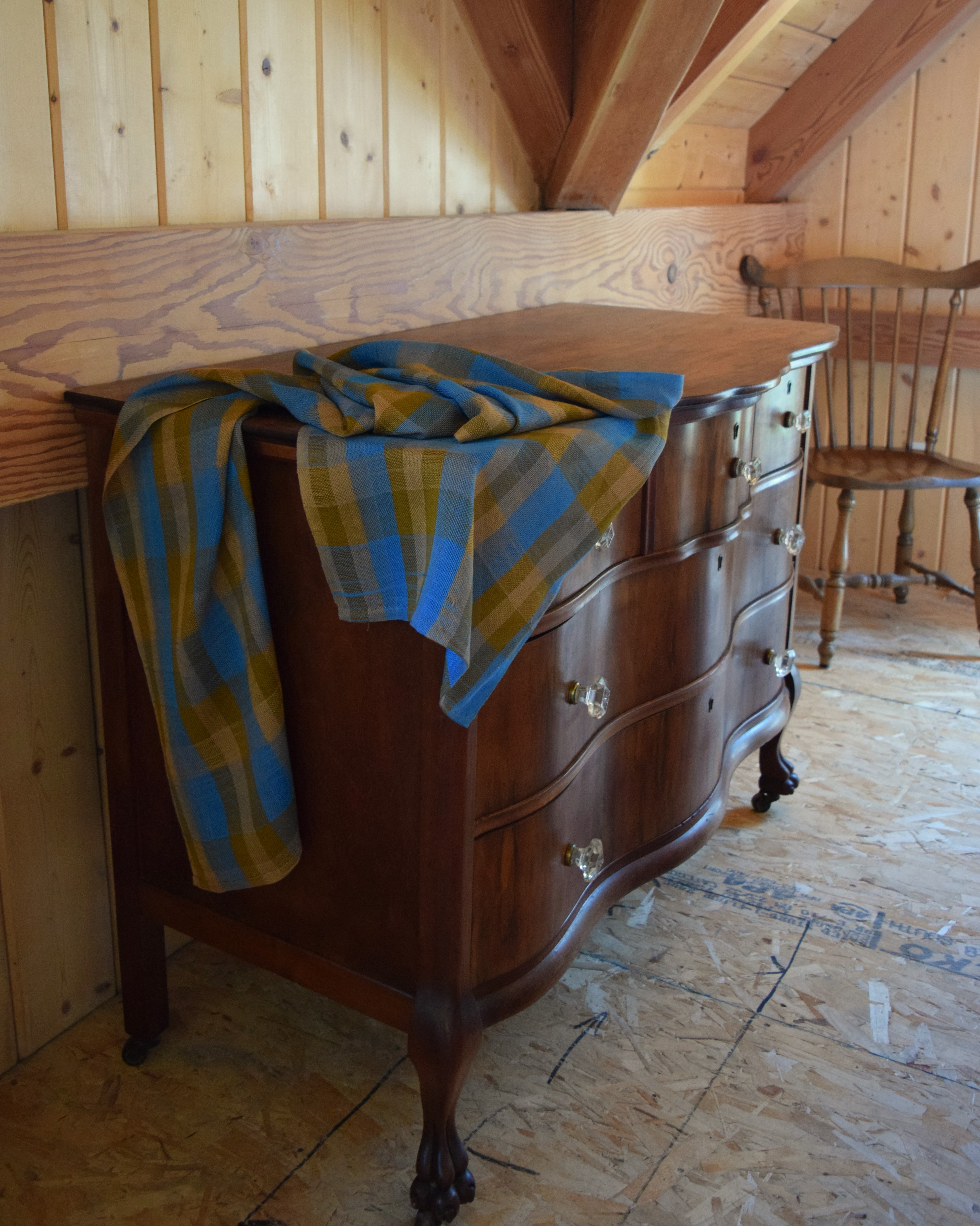
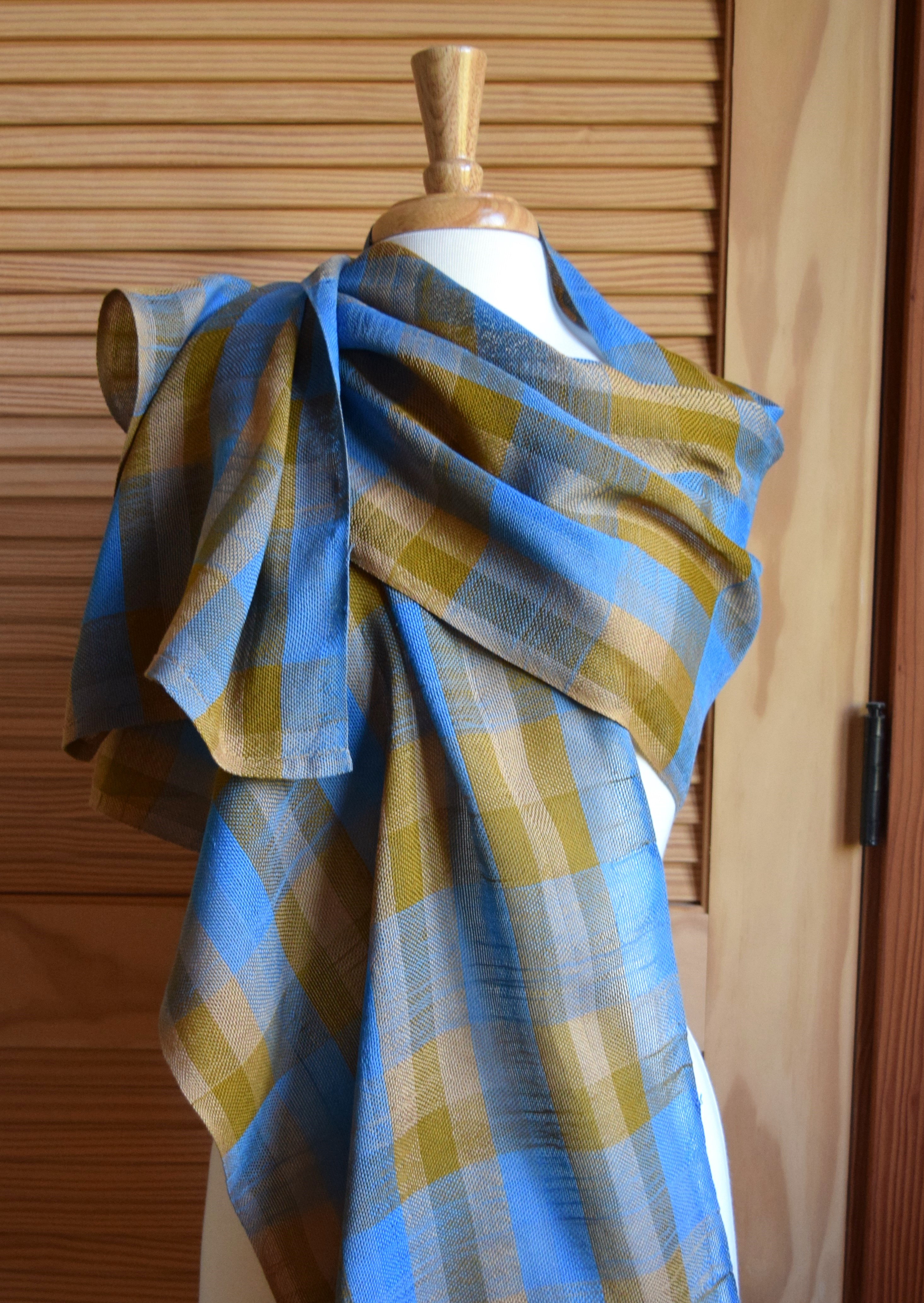
I am happy to introduce to you the very latest in Jen’s ultra fine weaving series, and also my new photo shoot companion, Señor Mirando the mirror, who arrived here weeks ago along with a lovely old dresser, the set being a gift from another weaver (thank you Bea!) Handsome and talented at revealing to you the intricate and complex angles of a drape which I simply can not, Mirando promises to show up for the photo shoots along with our hard working crew the ladder and chairs.

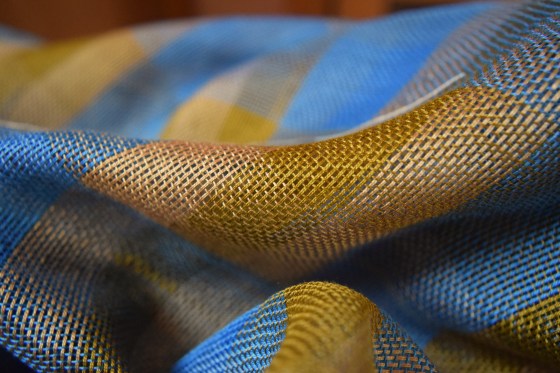
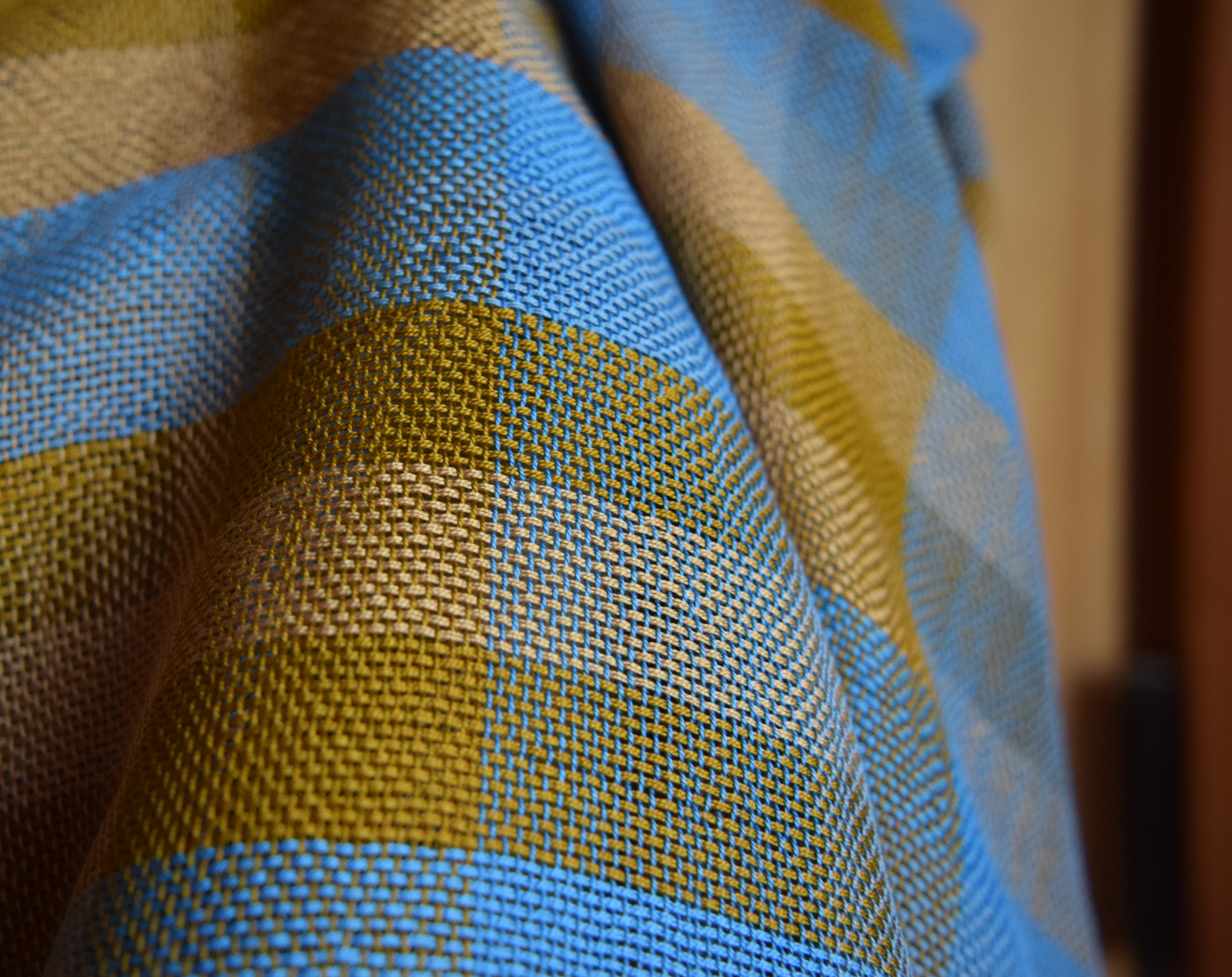
The weaving is remarkable, for it is two threads in warp against one thread in weft. Yesterday Jen washed it and hung it out to dry on the line, flapping in the 100F summer heat, and only took less than ten minutes, and barely more than five, because it is so hot outside.

I think it is very beautiful and interesting how the unique weave structure looks, I wonder if there is a name for this, does anybody know? Anyway, Jen is on to something here, and wants to develop this style of quick and easy warping she says, so she’s going to warp another of this kind of weave on my buddy in the closet, the table loom, but with a finer weave, just because it’s worth exploring. I for one am looking forward to having another photo shoot with Señor Mirando & His Dresser, as we’ve all hit it off fabulously.

Ta ta, Abelene

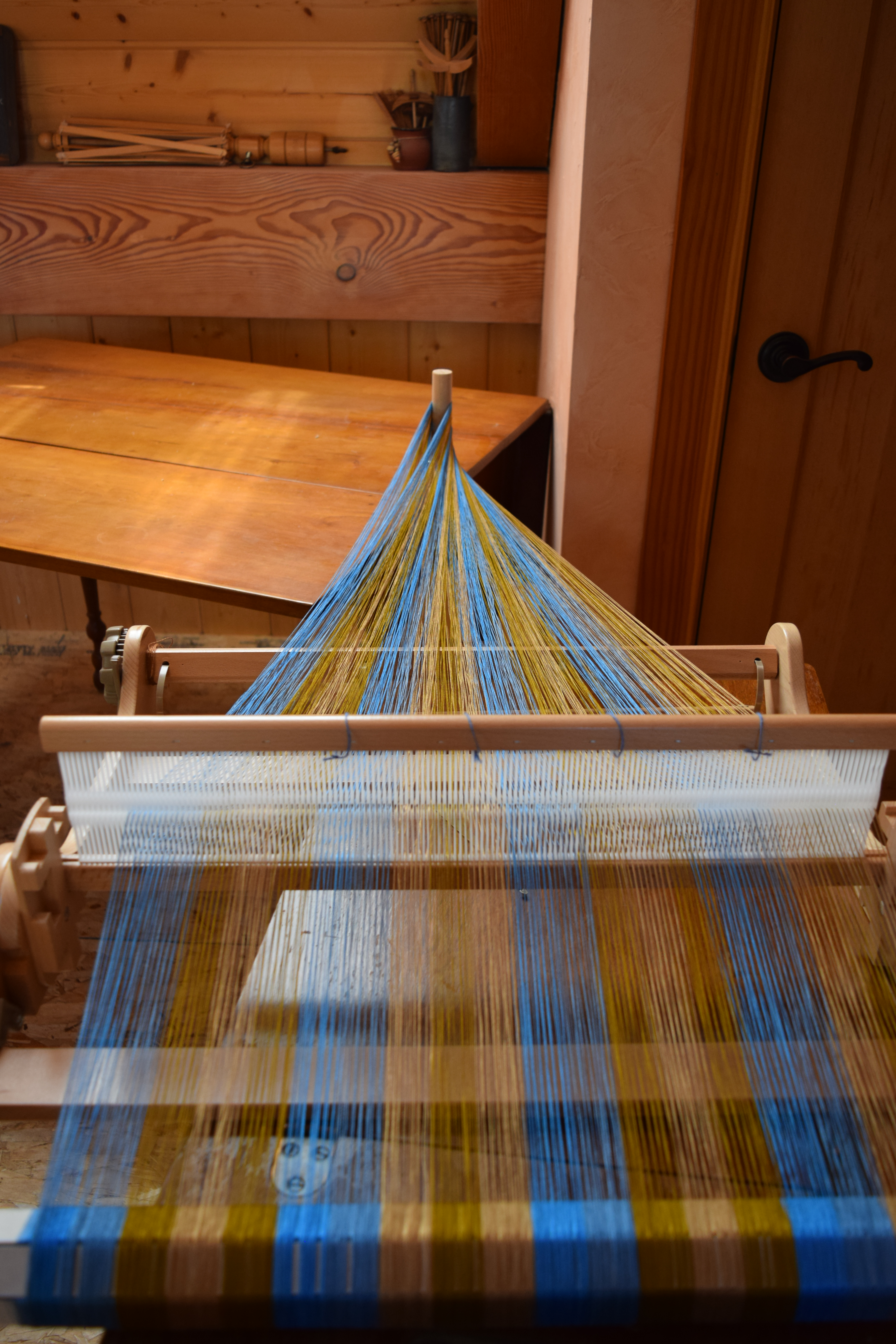
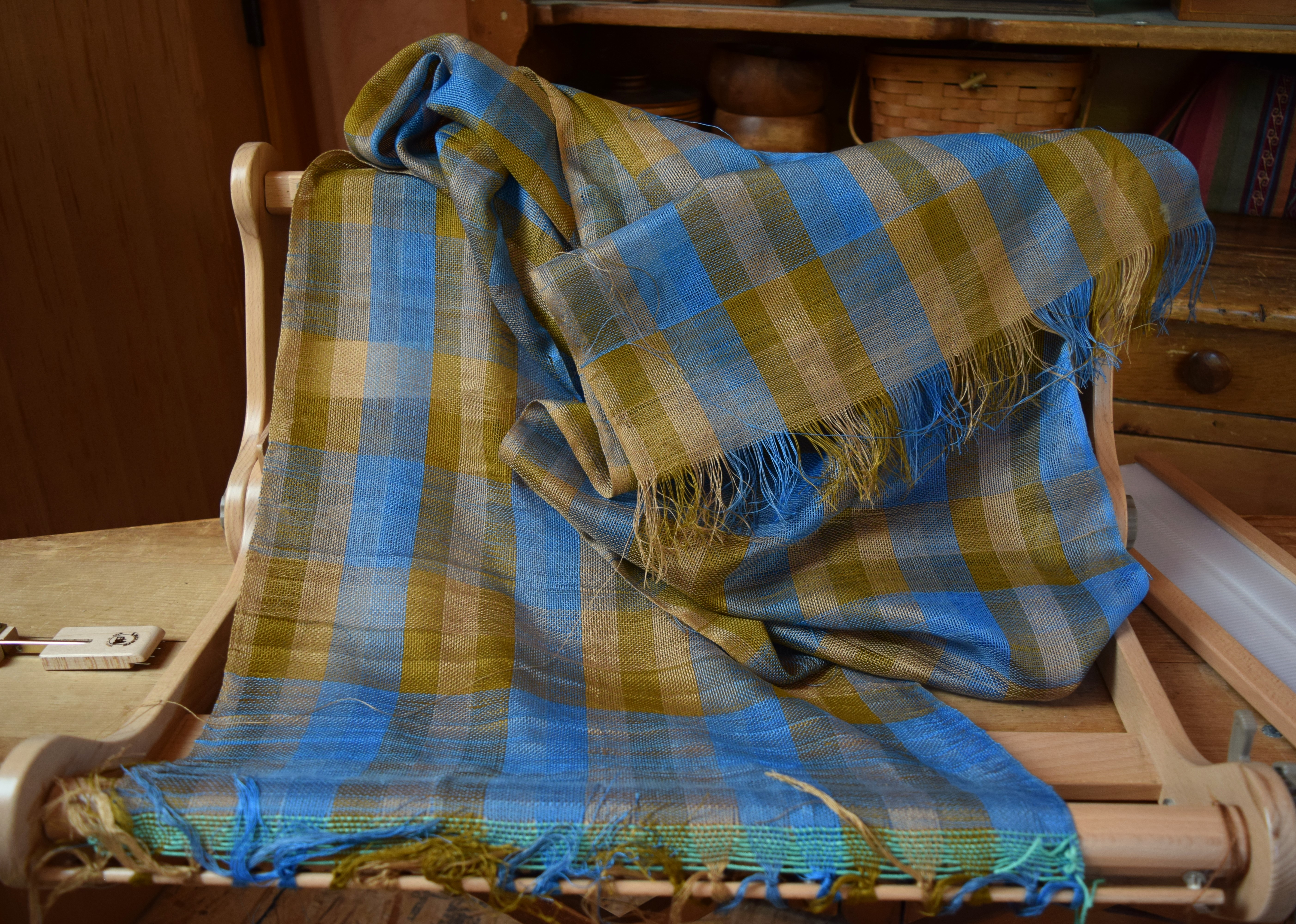
The note from Jen: I’ve been exploring weaving in a series of ultra light 20/2 cotton, this being the fifth in the series, woven on my 20″ Knitters Loom, and even though the weave structure doubles the warp against the weft, it appears to be balanced. I have been wanting to try the easiest method I can think of, which is double threading one reed, with 2 in the heddle/hole, and 2 in the dent/slot, then single weft. This way no rethreading has to be done. I did this kind of warping before (tablecloth) and I really thought it worked out great, less fuss warping meant more time to enjoy the weaving. And just as Abelene reports, I have another one of these I want to weave next, and it will be warped direct on the table loom, a multiple harness loom with heddles, with the same weave structure, but 32 ends per inch warp, 2 through each heddle and 2 through the dent, completely going against tradition. Thankfully there are no weaving police around here, for surely I would be arrested for attempting this. Be sure to click through the photo slideshow below, and now for the weaving notes…

♣   Weaving Notes  ♣

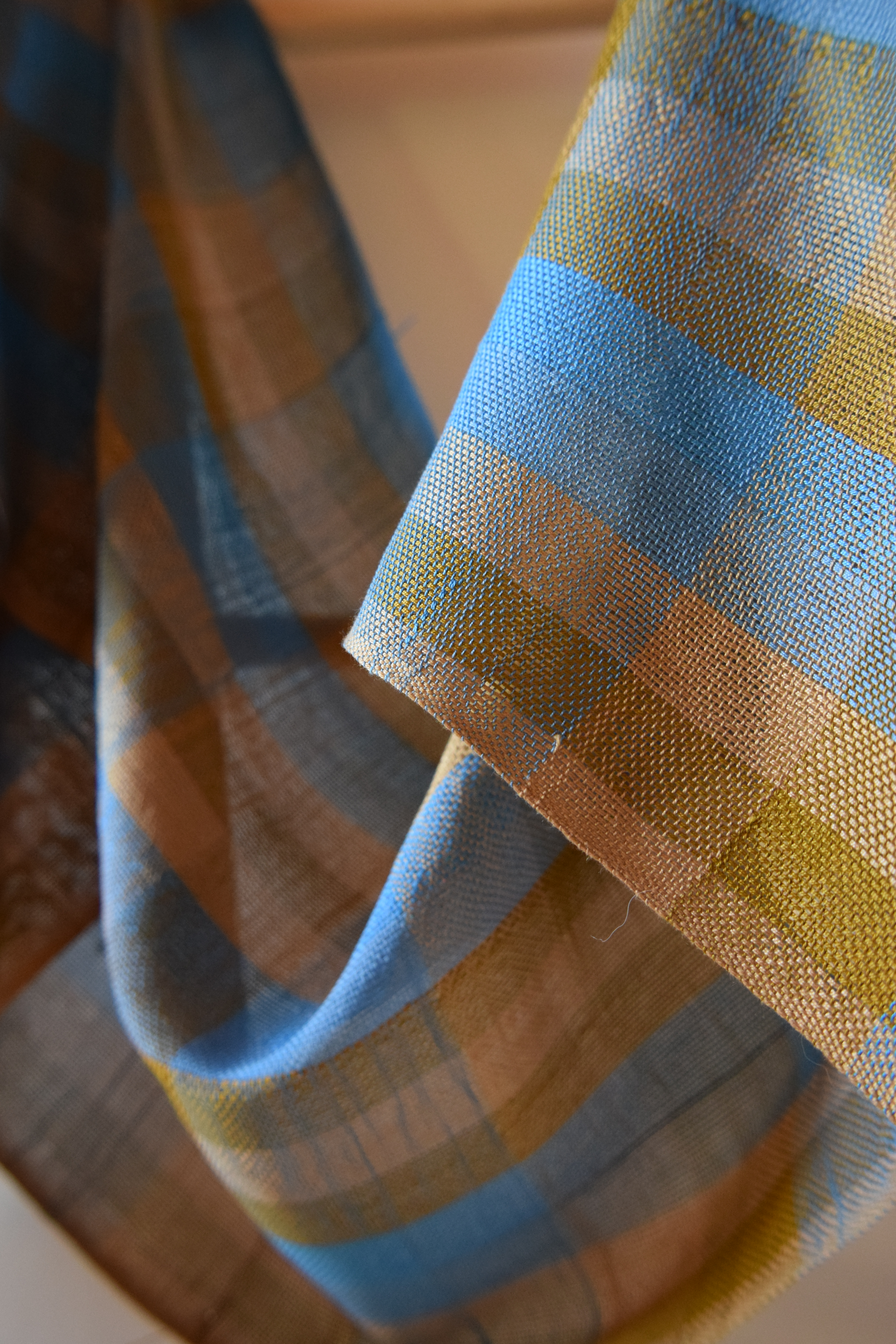
  • Yarn: 20/2 mercerized perle cotton, 8400yds / 1 lb, Maurice Brassard, in color Galaxy Blue,  and Venne in colors Gobelin Blue, Brass, and Golden Brown.
  • Loom: Ashford Knitters Loom 20″.
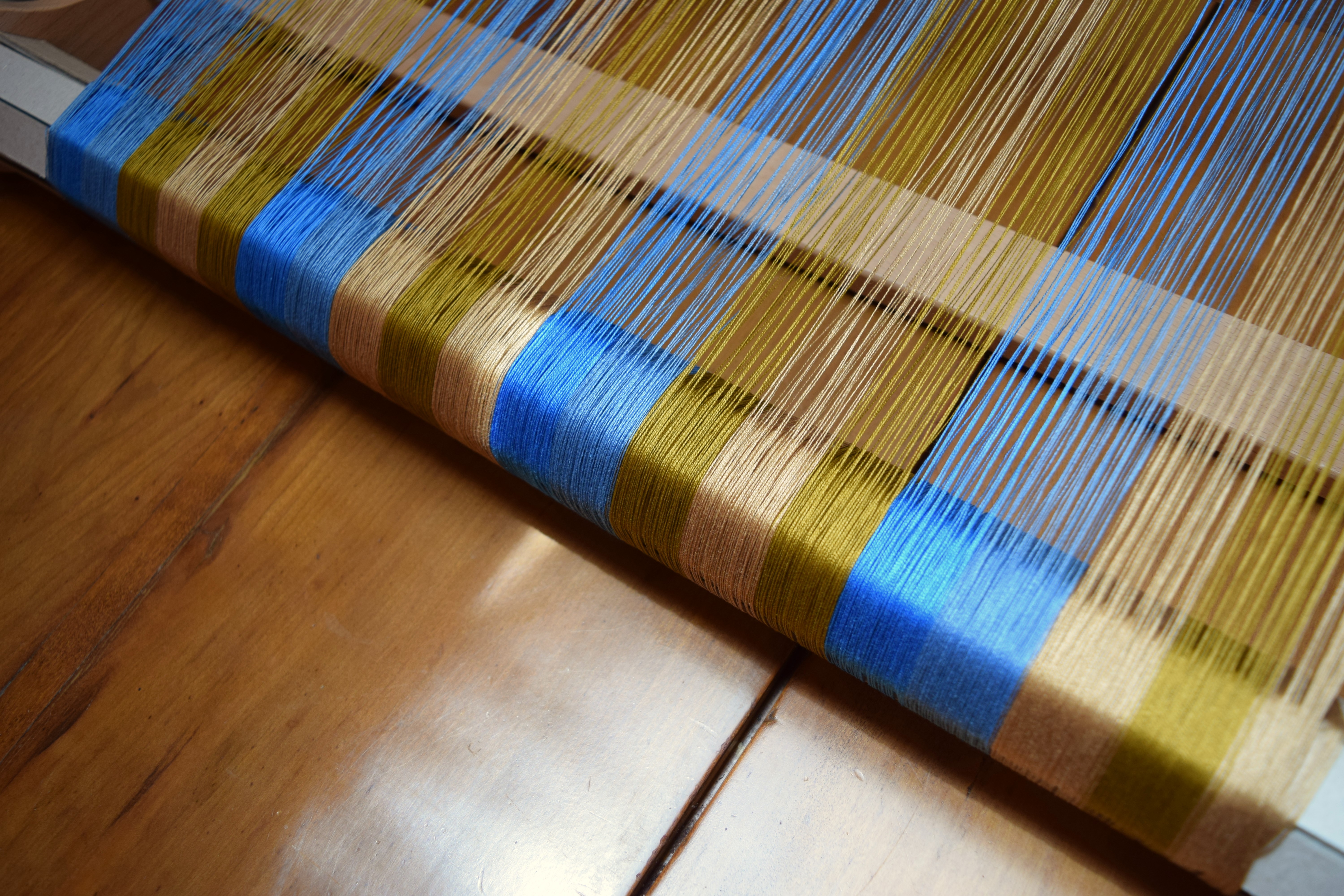
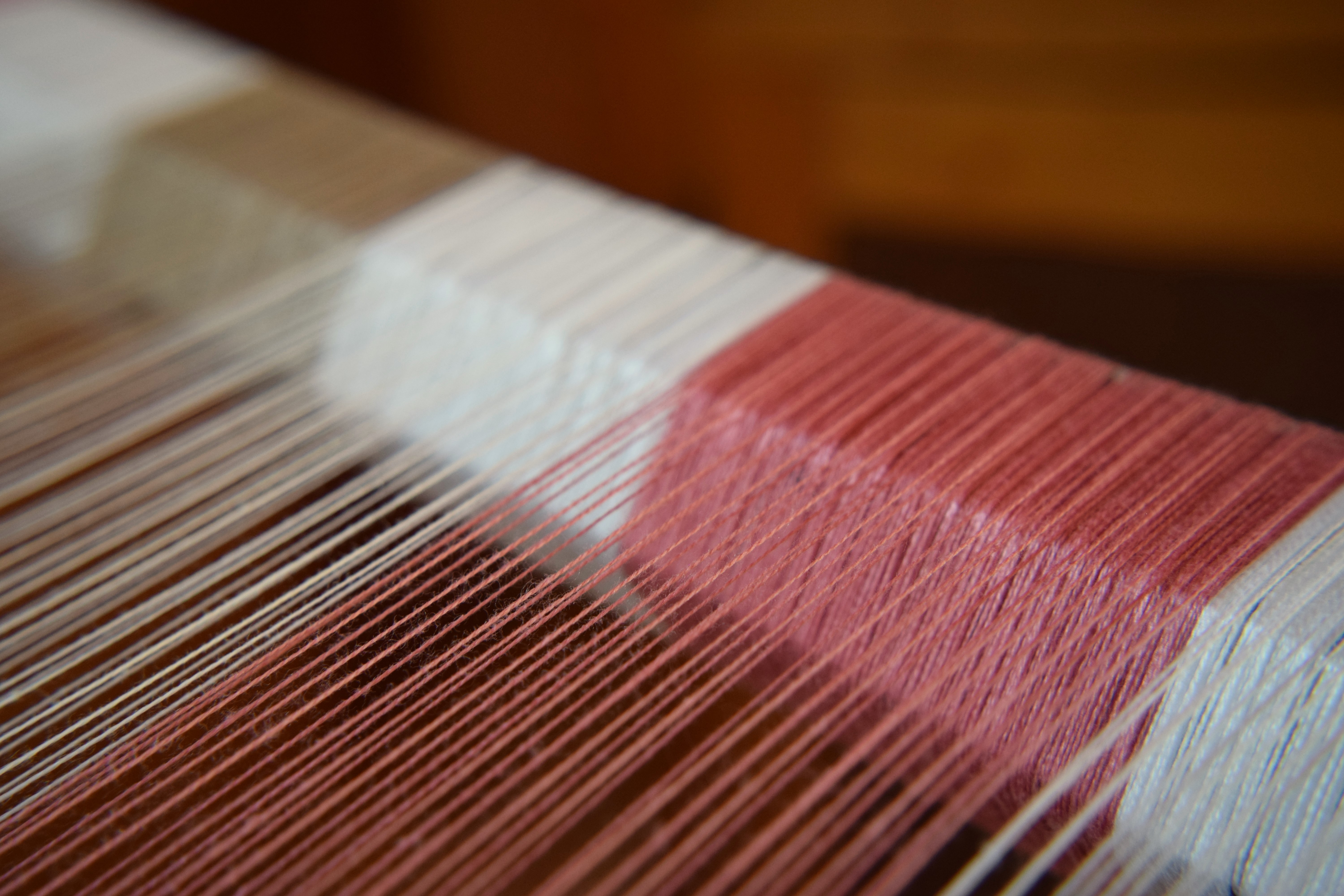
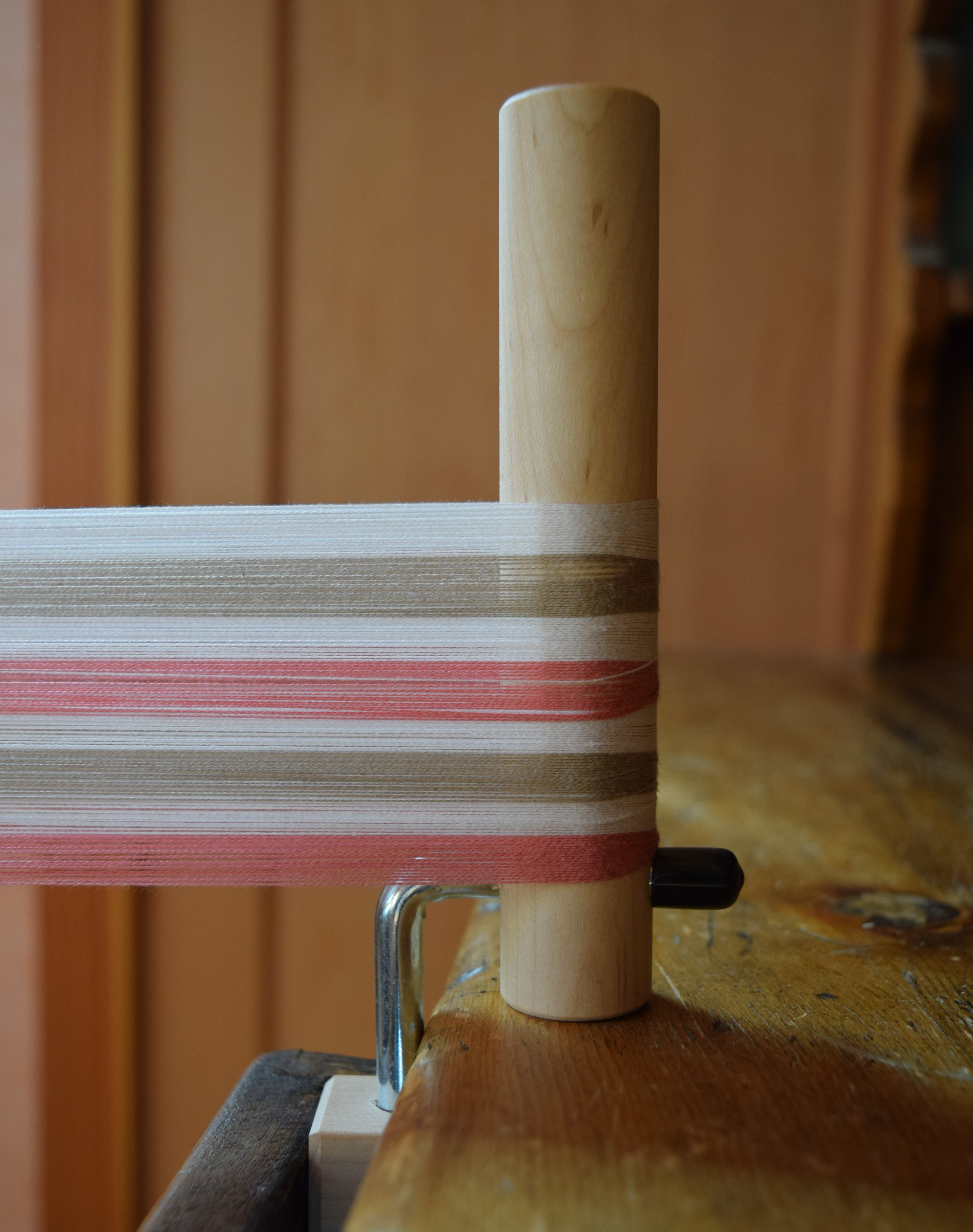
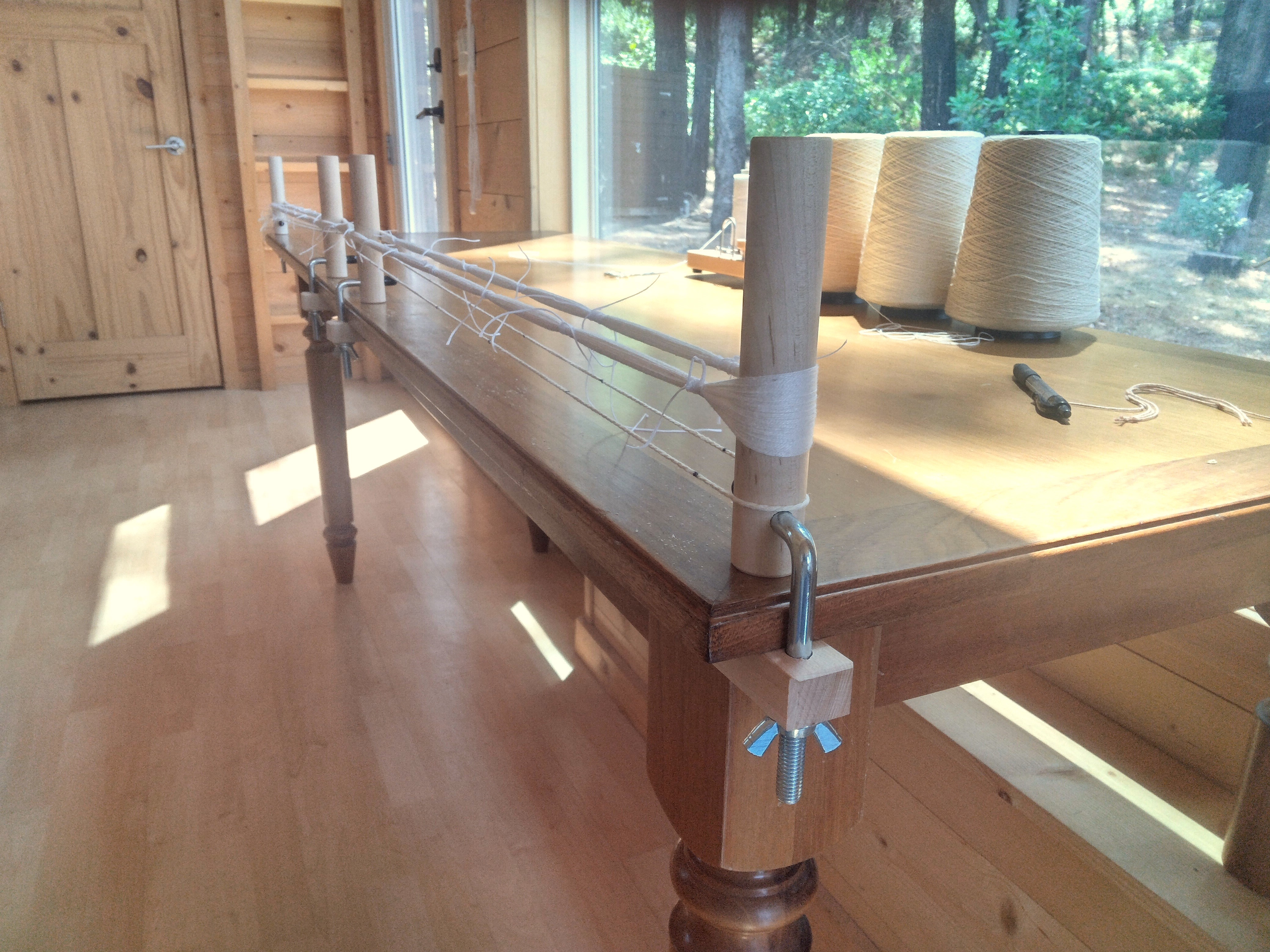
  • Warping method:  Direct warp method for rigid heddle loom.  Warp length is approx 115 inches from apron rod to warping peg.
  • Reed: 15 dent reed, 2 ends in each dent and 2 ends in each hole. 
  • Width in reed: 18″
  • Sett on loom: Warp = 30 epi and weft = ?? (forgot to measure)
  • Selvedges: Doubled for 4 ends each selvedge and used a temple.
  • Sett after finishing: Warp 34 epi, and weft 17 ppi.
  • Number of warp ends: 560, plus 4 extra at each selvedge = 568 ends
  • Color Pattern Warp:
    1. 15 holes and 15 dents with 2 ends each (30ends) Galaxy Blue, same with Gobelin Blue.
    2. Same with Brass, same with Golden Brown, then again with Brass. 
    3. Repeat step 1 and 2, switching Golden Brown and Brass; twice,  then repeat step 1 only. 280 dents/ 560 ends, plus 4 ends each selvedge, total 568 ends.
  • Color Pattern Weft = wound on to a 30″ stick shuttle for each color as follows: [10 wraps Galaxy blue, 10 wraps Gobelin blue, 10 wraps Brass, 10 wraps Golden Brown] repeating sequence.
  • Finished: 1/4 inch turned hem, machine washed and hang dried, then pressed. Measures 84″ long and 16″ wide and weighs 129g. 
  • Yardage:  Total yardage used for finished piece = 2374y, figured from weight of finished piece and not including loom waste.

Scarf No.6

Hi, its me Abelene. 

Here is Jens latest weaving in her ultra fine series! She thinks the attention to drape is really emphasized when the weaving is wrapped around something body-shaped, and not necessarily ladder-shaped, as she had been doing earlier, and so I am the designated weaver’s model, and giddy for the thoughtful attention. Besides, Jen says I’m the new It Girl!

I am trying not to take offense to be calling ” it ” but Jen assured me that an “It Girl” is an attractive and engaging young woman, originating from a 1920’s film all about the British upper-class society. Hey, then I am IT for sure! Mostly because I like to be attractive and engaging. Oh, and Jen thought it best to have a format for these weaving posts, where I get to focus on the dazzling visual affect, then afterward she will explain the boring weaverly aspects in a special note about the project below.

Ta ta, Abelene

Note from Jen: I’ve been exploring weaving in a series of ultra light 20/2 cotton, this being the fourth, and the 20 epi woven on the Ashford Table Loom, set up for weaving straight draw (that means using 4 harnesses threaded 1-2-3-4, which in itself, was a completely new and thoroughly difficult experience, with threads doubled through the reed. Gibberish to my knitting colleagues, but to the weavers who might be reading this, they know this is an absolute basic step to learning weaving on multiple shafts. In fact, the weavers who might be reading this will roll their eyes for the fact that I warped it the same direct method as I do rigid heddle looms – direct warp – drawing the warp from the front apron rod through the reed, and around a peg, and then threaded through the heddles as an in-between step before winding it all on to the back warp beam. I improvised with this and subsequently the warp had mistakes, but not willing to get bogged down with them, I wove the piece instead testing gleefully what seemed closest yet to a perfect balanced weave, with just one light tap of the real swinging beater. This project was first in its own series of multiple shaft fine weaving, and so this very exciting!

♣   Weaving Notes  ♣

  • Yarn: 20/2 mercerized perle cotton, 8400yds / 1 lb, Maurice Brassard, in colors; Galaxy Blue (P-112), Light Beige (P-2), and Blanchi (white) (P-101). 
  • Loom: Ashford Table Loom.
  • Warping Method:  Direct warp, using an extra peg so I could get some extra length in the small space (because honestly , this table loom and stand take up a lot of space in the room. 1-2-3-4 straight draw, and 2 threads in every reed dent. Warp length is approx 110 inches from apron rod to warping peg.
  • Number of warp ends: 360, plus 4 additional each selvedge. 368 ends total. 
  • Reed: 10 dent reed, 2 ends through each dent.
  • Width in reed: approx 18″
  • Selvedges: Doubled for 4 ends each selvedge, and used a temple.
  • Sett after finishing: Warp 22 epi, and weft 20 ppi. Still not perfectly balanced, but could be a situation of beating . I think a closer sett for warp would allow me to beat more consistently and get perfect balance, because with a slightly open weave the measuring overall is more difficult because of variations throughout.
  • Color Pattern:   
    • Warp =  [20 slots with 2 ends each slot (40ends) blue, 20 slots with 2 ends each slot (40ends) light beige, 20 slots with 2 ends each slot (40ends) white] repeat. 20 slots with 2 ends each slot (40ends) blue. 
    • Weft = wound on to a 30″ stick shuttle for each color as follows: [30 wraps blue, 30 wraps light beige, 15 wraps blue, 15 wraps light beige] repeating sequence for the length of the warp.
  • Finished: 1/4 inch turned hem, then washed and dried in machine, then pressed, measuring 76″ long and 17″ wide, and weighs 96g. 
  • Yardage:  Total yardage used for finished piece = 1776y, figured from weight of finished piece and not including loom waste.
  • What I will do different next time:  Warp back-to-front, again direct, but with longer warp needed due to the fact that the table loom has more loom waste than the rigid heddle loom, such as a minimum of 120″ from apron rod to peg for 80″ finished scarf.  Also I need to better organize heddles before attempting to thread, so mistakes don’t happen as easily. I will tie off bundles of 1″ in groups according to epi. 

Scarf No.5

Hi, its me Abelene. 

Jen has brought me out of the closet where I was suffocating in debate with my new pals, the Ashford 48″ rigid heddle loom and Ashford 32″ table loom, very existential ideas, like about whether or not as inanimate objects, we really exist, and I have been by far the most optimistic among us! Anyway, Jen seems to have forgotten about me, but finally she brought me out to see the spring . . . I am wearing a very light weave that seems to be sticking to my skin all by itself, perhaps from static electricity, as it has been three days of drying wind here.

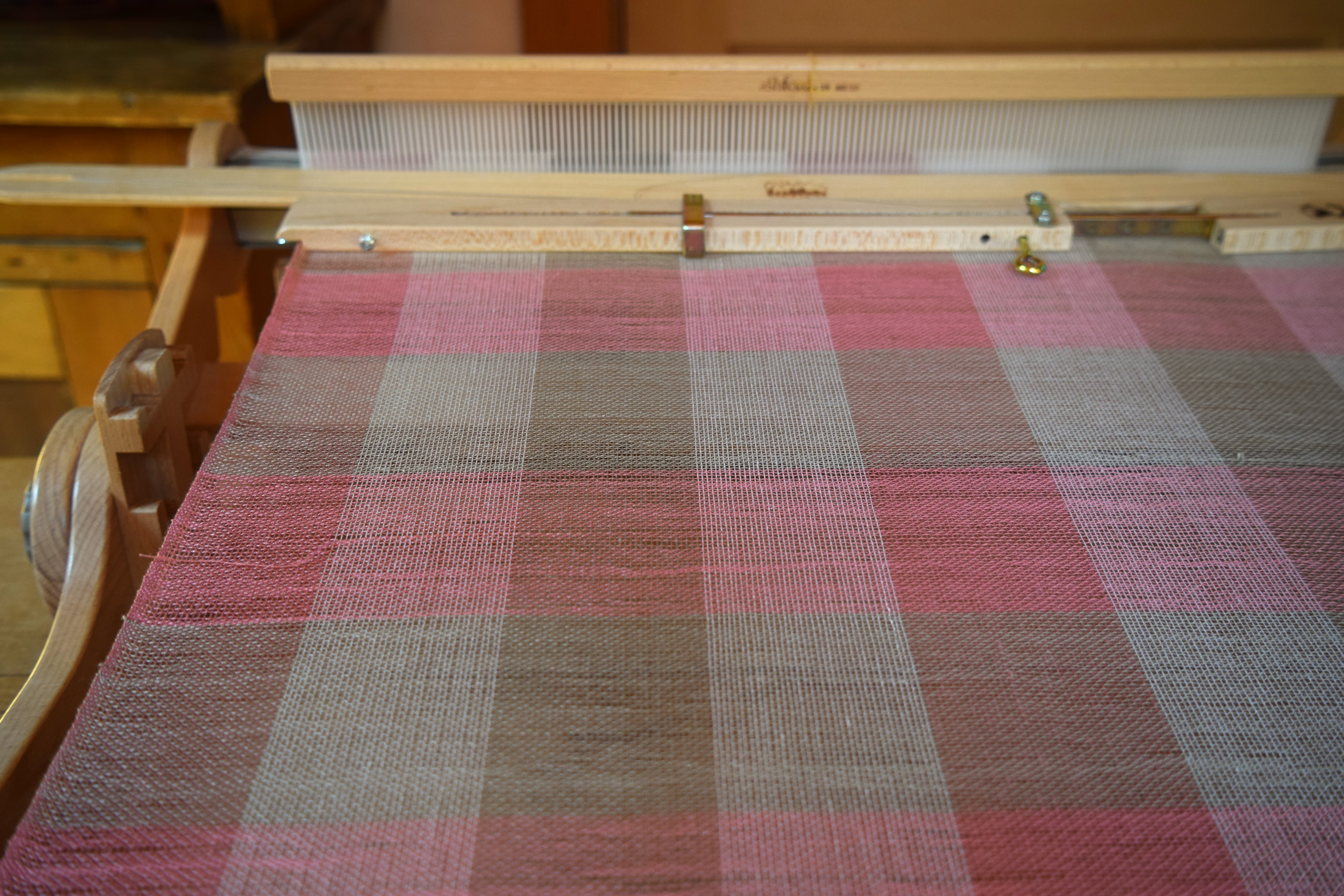
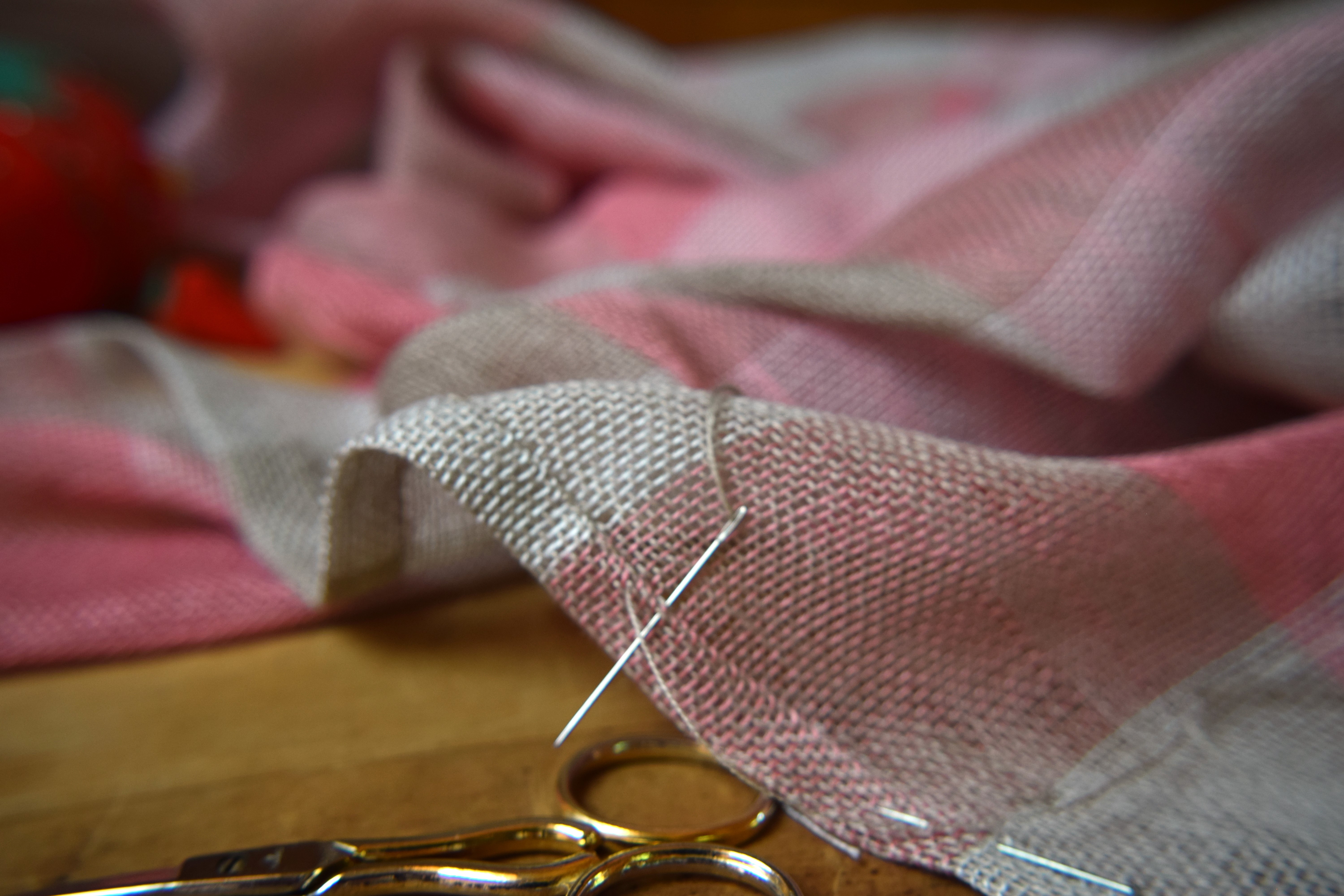
Jen wants me to say that she had some difficulty weaving this fluffy light sheer cloth, but eventually she found her way and the weaving became better balanced, eventually only a light tap of the reed to keep the structure even and open. This is the 15epi experiment in her series of weaving ultra fine cotton where she is experimenting with different threads per inch. She is super pleased that very light cloth can be woven on a simple little rigid heddle loom with one 15 dent reed, and is hoping to do more just like it. But first to finish her series she wants to weave 20 epi with this same thread, whether threading two rigid heddle reeds together on my pal the big rigid heddle loom, or to warp it up on my other pal, the table loom.  But on the other hand (um, what other hand???) she thinks she might just weave more single reed 15epi samples on the little rigid heddle loom, like this piece was.

So much fun going on here I tell you!

Ta ta, Abelene

ps. Don’t miss out on the technical weaving notes and slideshow below!

♣   Weaving Notes  ♣

  • Yarn: 20/2 mercerized perle cotton, 8400yds / 1 lb, Maurice Brassard, in colors;  Flax (P-5109), Rose Paudreux (P145), Natural (P100), and Blanchi (white) (P-101). 
  • Loom: Ashford Knitters Loom 20″.
  • Warp:   Warp length is approx 110 inches from apron rod to warping peg.  
  • Number of warp ends: 298
  • Reed: 15 dent, warp is 19.5″, full width in reed.
  • Sett on loom: Oops, I forgot to measure.
  • Sett after finishing: Warp 17 epi, and weft 19 ppi.
  • Selvedges: I did not do floating selvedges, but I did warp 3 extra ends per selvedge, which is almost necessary I am finding when using a temple.
  • Color Pattern:   
    • Warp =  [18 ends of rose, 18 of blanchi, 18 of flax, 18 of blanchi ] x 2 . 288 ends plus 3 extra selvedge ends at each side = 294.
    • Weft = wound on to a 30″ stick shuttle ; [20 wraps of rose, 20 wraps flax] repeat the sequence to end of warp.
  • Finished: 1/4 inch turned hem, then washed and dried in machine, then pressed, and weighs 83g. Measuring after finishing 76″ long and 17″ wide (before washing/drying it measured 76″ x 18″).
  • Yardage:  Total yardage used for finished piece = 1536y, figured from weight of finished piece and not including loom waste.
  • General Notes: This weave is open and fairly sheer. I am striving for balanced weave with only a light tap of the reed needed.  If I beat too hard with the reed, even just a slight bit of pressure on the reed, or too many taps, the weft easily becomes compressed and creates horizontal stripes of weft dominant color. For this reason, I had to be very careful, hoping that after a wash and dry in the machine everything would become even, with threads locked together in a firm gauze fabric. The ppi is slightly more than the epi, so not perfectly balanced. I am guessing then that 20 epi will be the magic warp spacing for ease of weaving balanced.